
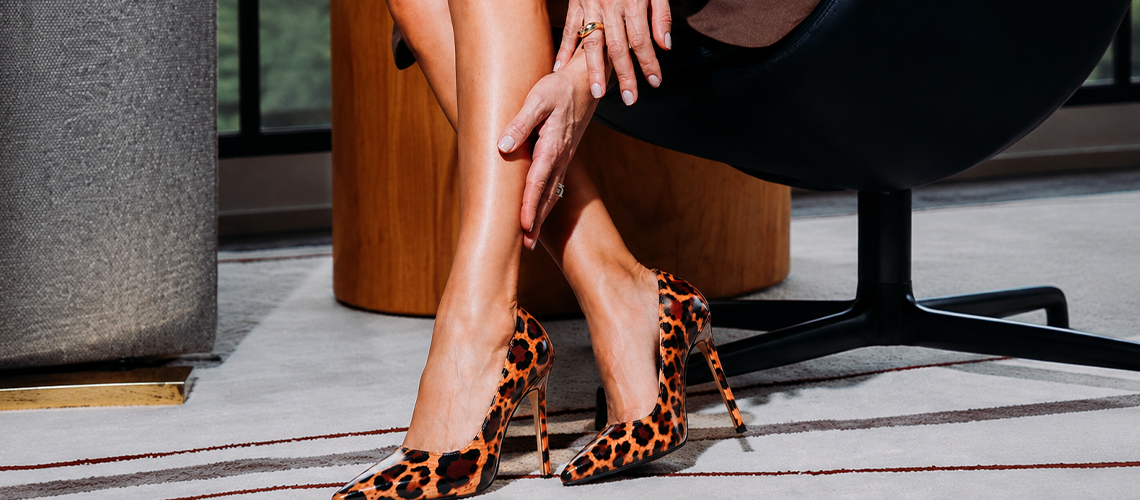
Even with the right trousers, coordinated colors, adjusted layers, and added accessories, an outfit chosen with time can still feel slightly wrong when finished. The problem maybe sitting right at your feet!
How an outfit is perceived is strongly influenced by the shoes you wear. The color, shape, proportion, condition, and level of formality of a shoe have the power of making or breaking an entire outfit. When combined with the wrong outfit, even a great pair of shoes end up feeling misplaced.
However, many footwear styling mistakes are relatively easy to recognize and correct as well. When you understand such mistakes, you can create outfits that look far more balanced, intentional, and visually connected as well.
Dressier shoes don’t automatically make an outfit look more polished. This is a big mistake to make. They don’t always do it. When you’re pairing a highly structured or formal footwear with a very relaxed piece of clothing, you end up creating a noticeable disconnect. While the upper half of the outfit communicates ease, an entirely different occasion is suggested by the pair of shoes that you’re wearing.
You can certainly use contrast intentionally, but doing it successfully requires another element that will help in connecting both sides of the outfit. The overall level of formality must be considered before choosing a pair. A more natural transition is created, if you’re pairing a casual outfit with slightly relaxed footwear.
The opposite problem is just as easy to appear! With an outfit that features structured trousers, a refined dress, or other polished pieces, a footwear that appears excessively relaxed is a pure misfit. This makes your shoe look like an afterthought.
Whenever your clothing is polished, you don’t necessarily need a highly formal footwear. Instead, you must look for shoes that share some characteristics with the outfit. With a cleaner silhouette, a more restrained detailing, or a more structured shape, you can provide enough visual connection.
Your objective must be to create harmony rather than identical levels of formality.
How heavy of light something appears depend on visual weight it carries. Greater visual weight is carried by shoes with thick soles, broad shapes, substantial detailing, or bulky construction. Narrower and simpler designs tend to appear much lighter.
If the visual weight of your selected shoe is fighting with the proportions of the clothing, then a problem is there. For instance, combining a highly delicate clothing with very heavy footwear can make the lower half of the outfit disproportionately dominant. On the same note, when you pair tiny, delicate shoes with substantial clothing, an opposite imbalance is created.
While neither combination is automatically wrong, but you must ensure that the contrast is looking deliberate. Take a moment and examine the silhouette, instead of evaluating your shoes separately.
Styling becomes unnecessarily difficult, if you’re considering exact color coordination as a requirement, even though matching your shoes with another part of your outfit works. The better approach here is to consider whether the colors belong together visually or not.
With your shoes, you can silently complement, contrast, or quietly support your outfit. Repeating the exact shade of your trousers, dress, belt, or accessories is not a necessity. Instead, you must consider the overall color temperament and intensity. Try combining soft colors with similar restrained shades, while giving stronger colors more breathing room.
Want successful coordination? Make it as natural as possible, instead of obviously matching these pairs.
Simple clothing is generally transformed by interesting footwear. However, a problem is created, if every part of your outfit is trying to become the focal point. Imagine you’re combining bold shades with patterned trousers, dramatic accessories, strong colors, and heavily detailed outerwear. While each element is appealing individually, together they end up competing for attention.
Consider allowing your shoes to become the main visual feature, if they are highly distinctive. You can make unusual footwear look more intentional, with simpler surrounding pieces. On the other hand, if your clothing already has a lot of strong details, use understated shoes. They help in providing visual pause that the outfit needs.
You don’t remove personality to add balance. Just decide where the attention needs to go instead!
A close connection between trouser length and footwear is noted. When you change shoes, it can alter where trousers appear to finish, how the fabric falls, and how much the footwear remains visible. A trouser length may look amazing with one shoe shape, but it may bunch awkwardly or appear unusually short with another pair.
With wider trousers, their interaction with footwear is completely different, than narrow or cropped styles. How the fabric sits around the ankle and foot completely changes with heel height and sole thickness.
With this you can get a much clearer idea of the final proportions.
An overall silhouette is created by every outfit. While some outfits are long and flowing, others are fitted, cropped, oversized, structured, or even layered. Footwear must contribute to the overall silhouette, instead of simply sitting underneath it.
For example, wearing elongated shoe shapes can help you continue the visual direction of streamlined clothing. On the other hand, broader shoes can add weight and definition to the lower portion of any outfit.
If something is looking slightly off, you must consider shape and not immediately blame color. A good question to ask here is whether the shape is continuing the outfit’s proportions or interrupting them unexpectedly. Often, if you change the shoe silhouette, it tends to work wonders and it doesn’t require any changes to clothing as well.
Direct contact with pavements, floor, weather, and everyday environments is common for shoes. Thus, signs of wear are inevitable. Nevertheless, if you’re wearing shoes that have noticeable dirty surfaces, loose laces, deep scuffs, damaged edges, or worn-down soles, it impacts your overall appearance.
Besides, it can make a polished outfit look dull. Thus, regular maintenance is of particular importance here. You must remove surface dust whenever necessary, address minor marks, replaced damaged laces, and store footwear in a way that helps in maintaining the shape.
This doesn’t mean that you’ve to make every pair look untouched. However, it’s simply better to prevent any avoidable wear from distracting the overall outfit.
Your outfit must function appropriately according to the situation or occasion. Inconvenience is caused by footwear that doesn’t match the activity. In outdoor environments, very delicate shoes tend to struggle, whereas, highly casual footwear may feel misplaced at a more structured event.
Always think about what your day actually involves. With the right footwear, you can support both the outfit and the activity you’re headed to.
Poorly fitting shoes can affect more than comfort. They can also change how you move. When shoes pinch, slip, rub, or feel unstable, you may shorten your stride, adjust your posture, or walk differently. Even a visually impressive outfit can lose some of its impact when the wearer appears uncomfortable.
Fit should therefore be considered part of styling. Pay attention to width, toe space, heel movement, flexibility, and overall stability. The correct fit varies according to shoe construction and individual foot shape, so appearance alone should never determine the decision.
A shoe becomes more useful when you can actually wear it comfortably for its intended purpose.
Shoes occupy a relatively small portion of an outfit, but their influence can be surprisingly large. The wrong pair can interrupt proportions, introduce conflicting formality, overwhelm other details, or make an otherwise thoughtful combination feel disconnected. Avoiding these mistakes does not require following rigid fashion rules.
Instead, think about relationships. Consider how the shoes relate to the clothing's color, shape, texture, proportions, occasion, and overall mood. Pay attention to practicality and fit as much as appearance. When footwear feels like a natural continuation of the outfit rather than a separate decision, the entire look becomes more cohesive.
Sometimes, fixing an outfit really can be as simple as changing your shoes.
Delivering handpicked men’s and women’s footwear that match the lifestyle and needs of Hong Kong.