
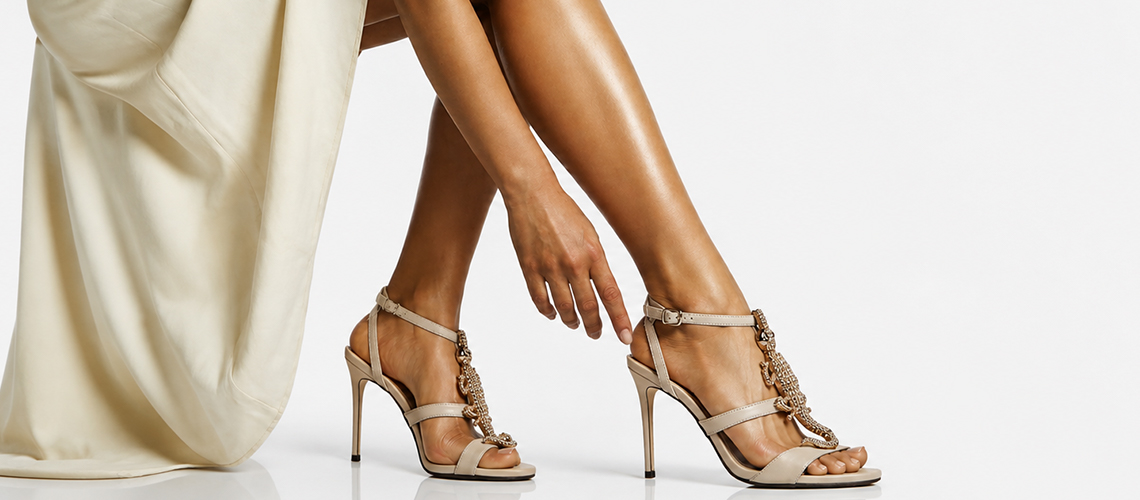
A refined impression is immediately created by some shoes, without even relying on oversized details, excessive decoration, or attention-grabbing finishes. Such shoes look thoughtfully designed. Every visible element seems to have a reason for being there, every shape feels balanced, and every material complements the construction.
Nevertheless, price is not the only determining factor in appearance. While a shoe can be expensive, it can appear visually cluttered. On the other hand, a simpler pair tends to look remarkably sophisticated. A combination of proportions, materials, construction, finishing, and restraint, generally results in the expensive appearance.
When you understand such details, it becomes easier for you to identify shoes that look polished without becoming overdone.
Separate actual cost from perceived quality, before examining individual design elements. Beyond appearance, price is influenced by a number of other factors. A shoe carrying higher price doesn’t automatically have better proportions or a more refined design.
If people are describing shoes as looking expensive, they’re often responding to visual consistency. Nothing seems unnecessarily exaggerated. Rather than competing for attention, materials, stitching, hardware, shape, and color work together.
Thus, the end result feels deliberate. More than decorative complexity, the sense of intention is often more influential.
One of the first things you notice is the overall shape of the shoe, even if you don’t consciously analyze it. A clearly defined silhouette is often available with a refined footwear. A coherent shape is formed by the toe, heel, sole, and upper, without any unnecessary interruptions at all.
However, this doesn’t mean that every sophisticated shoe must be narrow or minimal. If the proportions are balanced, even chunkier footwear may appear refined. You must look at the shoe from different angles.
A solid visual foundation is imparted to a shoe, if it has a strong foundation.
Your footwear won’t necessarily appear more valuable if you add more details to it. Sometimes, multiple decorative elements end up competing with each other. While interesting individually, large hardware, contrasting patterns, visible embellishments, unusual textures, and strong colors can make your design feel busy, when combined together.
With restraint, each individual detail gets greater room to stand out. An interesting buckle, distinctive stitching, or an unusual texture may feature in a shoe, without needing all three to dominate simultaneously. You may consider visual refinement as editing.
Your goal is not to remove every interesting feature. Rather the focus must be on keeping all the elements that contribute something meaningful.
How a footwear is perceived, depends largely on materials. Don’t simply concentrate on what a material is called, instead examine how it actually looks and behaves. The final impression is crafted by surface consistency, texture, flexibility, thickness, and finish.
Under strong lighting, an excessively shiny surface can sometimes appear artificial. With a more restrained finish, the shape and texture of the shoe will remain visible. Texture must feel appropriate for the design.
On a simple silhouette, a highly textured surface may work beautifully, as the material becomes the main visual feature. However, the same texture can create too much visual activity on a decorated surface. Thus, balance is an important aspect.
The overall appearance of your footwear is significantly affected by small construction details. Keep an eye on how different sections of the upper meet. Check the edges, seams, sole connection, and transitions between materials.
The entire shoe tends to feel more considered, if all these elements appear neat and consistent. The opposite effect is created by uneven edges, visible adhesive, irregular seams, or awkward material transitions. Even though such details tend to be relatively small, your eye is prone to noticing inconsistencies. This happens even if you’re not immediately able to identify what’s wrong.
You will get the impression that every component belongs exactly where it is, when you’re seeing a refined shoe.
On a shoe, stitching can be decorative, functional, or both. Stitching usually tends to work more effectively when it follows the structure of the shoe and doesn’t compete with it, if your goal is understated styling.
Visual order is created by consistent spacing and clean lines. If contrasting stitching is a part of the design, it certainly works fine. Nevertheless, attention is attracted by prominent stitching. Thus, it becomes just another feature that requires coordination with everything else.
With subtle stitching, other elements like the silhouette and the material can remain dominant. The smallest details tend to have the greatest influence at times, simply because they’re not demanding any attention at all.
Character is added to a footwear by buckles, eyelets, fasteners, decorative pieces, and other hardware. Moderation is the key here. Shiny hardware in large quantities end up becoming visually dominant. A stronger impression is created by a few strategically placed elements because each one appears intentional.
Another thing that matters is finish. Complementing the surrounding material is the key. Hardware must not look disconnected from it. With highly reflective elements, you can naturally attract attention. Nevertheless, softer finishes tend to integrate more quietly into the design.
You must ask whether the hardware strengthens the shoe’s identity or simply adds another detail. It may not be necessary, if removing it helps in making the design clearer.
Whether or not a shoe will appear sophisticated, depends largely on the color. Shape, construction, and material texture often become more noticeable with understated color. Due to this simple reason, a simple footwear can create such a strong impression, without any need for dramatic decoration.
However, this doesn’t imply that refined shoes must always use dark or neutral shades. If applied consistently, even rich, muted, earthy, soft, and even brighter colors can work beautifully. The factor to note here is how the color interacts with the overall design.
The shoe will get divided visually into several sections, if it comprises of multiple contrasting colors. With a more controlled palette, the shoe tends to appear cleaner. With color, the design should be enhanced, not disguised.
If the proportions of a shoe feels wrong, even a beautifully decorated one still looks awkward. The relationship between the sole thickness and the upper must be considered here. Besides, the relationship between the heel and toe, and the width and overall length must be considered as well.
With balanced proportions, visual ease is created. This principle also benefits even highly dramatic footwear. When the upper has enough visual weight to support it, a substantial sole may work ideally. A lighter silhouette may be suitable for a delicate heel, but it feels disconnected from a much heavier upper.
There is no single ideal proportion because different styles require different shapes. What matters is internal consistency.
The sole is sometimes overlooked when evaluating appearance, yet it forms a significant portion of the shoe's profile. A sole that appears disconnected from the upper can make the entire design feel less cohesive.
Pay attention to thickness, edge finishing, texture, and how smoothly the sole transitions into the rest of the shoe. A thick sole does not automatically look casual, just as a thin sole does not automatically appear refined. The important question is whether the sole belongs visually with the upper.
When both sections feel designed as one object rather than separate components, the shoe generally appears more polished.
Even thoughtfully designed footwear can lose its refined appearance when it looks neglected. Dirt, damaged laces, deep scuffs, worn edges, or misshapen uppers can distract from otherwise attractive construction.
Regular maintenance helps preserve the qualities that made the shoes appealing in the first place. Cleaning should be appropriate for the material, and shoes should ideally be allowed to dry properly if they become wet. Storage can also influence whether footwear retains its intended shape.
Signs of normal wear are inevitable, but unnecessary neglect can make even an impressive pair appear less polished.
Shoes do not need excessive decoration to create an elevated impression. In many cases, refinement comes from exactly the opposite approach.
Clean silhouettes, balanced proportions, consistent stitching, appropriate materials, controlled colors, thoughtful hardware, and neat finishing can create far more impact than adding detail simply for decoration.
When evaluating a pair, look beyond individual features and consider how everything works together. A shoe looks sophisticated when nothing seems accidental.
Ultimately, the goal is not to make footwear appear expensive through obvious signals. It is to create an impression of thoughtfulness, balance, and restraint. When every detail supports the overall design, a shoe can stand out quietly, without ever looking like it is trying too hard.
Delivering handpicked men’s and women’s footwear that match the lifestyle and needs of Hong Kong.